
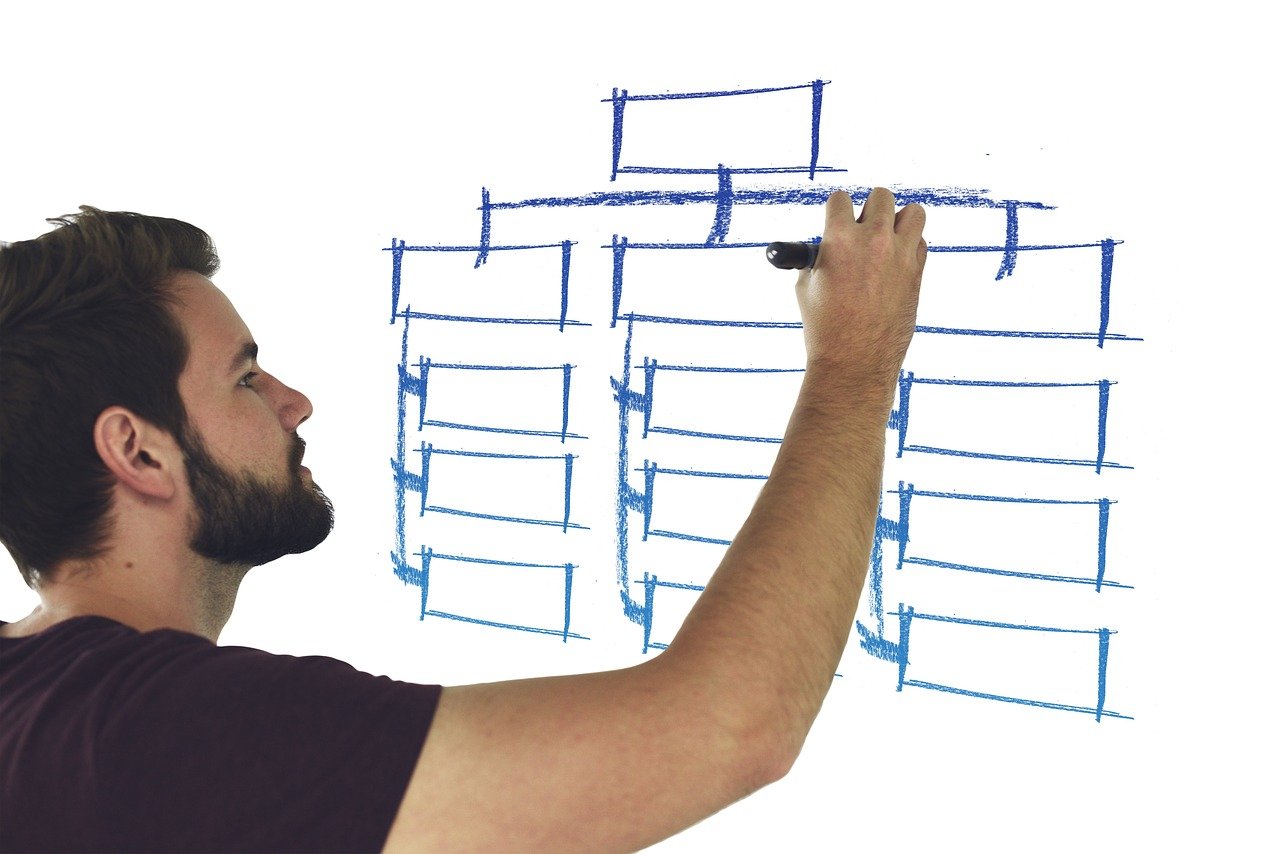
Many of us complain about the inability to get things done. We seem to be busy, but getting nowhere. Much like the hamster in a wheel. And from this perspective, I have put together this short article, which helps to give us some direction, with practical tips to help us move forward in sha Allah, and achieve a high level of productivity.
We can be in a space where intention is high, but momentum is fragile — and that’s a beautiful moment to intervene with the right structure. When someone wants to organise both their Islamic and personal life, the key is to build a system that honours the heart and the calendar. Most people fail because they try to “feel motivated” instead of building rhythms that carry them even when motivation dips.
What follows is some general, practical guidance, but framed in a way that integrates Islamic purpose with modern productivity, without overwhelming you.

1. Start with niyyah, not motivation
Motivation rises and falls, and so productivity follows. However, Intention anchors you.
A simple rule:
“I act because Allah deserves consistency from me, not because I feel inspired.”
Before planning anything, quietly settle:
Why do I want to be organised?
- To worship Allah better
- To reduce mental chaos
- To serve people more reliably
- To prepare for the ākhirah
Daily micro-niyyah (30 seconds):
Always begin your day, by reading out loud the hadith of intentions to remind you to set purposeful intentions for the rest of the day.
قال رَسُولَ اللَّهِ صَلَّى اللَّهُ عَلَيْهِ وَسَلَّمَ
إِنَّمَا الْأَعْمَالُ بِالنِّيَّةِ وَلِكُلِّ امْرِئٍ مَا نَوَى ،
فَمَنْ كَانَتْ هِجْرَتُهُ إِلَى اللَّهِ عَزَّ وَجَلَّ فَهِجْرَتُهُ إِلَى مَا هَاجَرَ إِلَيْهِ وَمَنْ كَانَتْ هِجْرَتُهُ لِدُنْيَا يُصِيبُهَا أَوْ امْرَأَةٍ يَنْكِحُهَا فَهِجْرَتُهُ إِلَى مَا هَاجَرَ إِلَيْهِ.
I heard the Messenger of Allah ﷺ say: “Actions are but by intentions. And each person will have but that which he intended.“
Now call on Allah:
“O Allah, I intend today’s efforts as worship and trust You with the results.”
2. Build life around anchors, not to-do lists
To-do lists fail when they float without structure.
Anchor the day with two fixed acts
These are the “non‑negotiables” that create identity and stability.
Anchors create psychological safety. They tell the brain: “We have a structure.”


Islamic anchor
- Ṣalāh on time, especially Fajr and ʿIshā’
- If you struggle, start with one prayer on time and build up.
Personal anchor
- A 10-minute daily review:
- What do I need to do today
- What is the one thing that must happen
- What can be postponed without guilt
Your strongest Islamic anchors:
- Ṣalāh times
- Sleep
- Meals
Everything else orbits these.
Example mindset:
- Between Fajr and Dhuhr → deep work
- After ‘Ishā’ → wind-down, no major decisions
If your day respects ṣalāh, Allah places order elsewhere.
Try to book set time out for your ṣalāh, like 15 minutes; and then do your wuḍūʿ, perform your ṣalāh and do a simple task thereafter.
3. Procrastination usually hides one of 4 problems
When you delay, ask which one this is:
- Unclear next step
→ Solution: shrink the task
“Open the document” beats “write chapter” - Perfectionism
→ Solution: “First draft is sadaqah, not a masterpiece.” - Fear (failure, judgment, responsibility)
→ Solution: remind yourself: Results are from Allah; effort is from me. - Energy debt (sleep, food, screen overload)
→ Solution: fix the body, not the planner
Islamically: procrastination is often ghaflah, not laziness.
Try to become more alert in your day, through self talk, and energy boosts.
Energy boosts are things like getting up and going for a short walk around the house or office, or doing a short exercise.
4. The “One-Brick Rule”
Never aim to fix your life in one day. Instead:
Lay one brick daily, even if it looks insignificant.
Most procrastination comes from trying to do too much.
Remember: Small wins compound. Big plans collapse.

Never aim to fix your life in one day. Instead:
Lay one brick daily, even if it looks insignificant.
Most procrastination comes from trying to do too much.
Remember: Small wins compound. Big plans collapse.
Each day, choose:
One Islamic action
- 5 minutes Qur’an,
one duʿā’
one page of reading
One personal action
- send that email,
- one drawer tidied
- book one appointment
- one shelf cleared
Recall: Walls are built by bricks, not bursts.
The Prophet ﷺ said:
وَإِنَّ أَحَبَّ الْعَمَلِ إِلَى اللَّهِ أَدْوَمُهُ وَإِنْ قَلَّ
“The most beloved deeds to Allah are those done consistently, even if small.”
And ʿĀʾishah (may Allah be pleased with her) said: “Whenever the Prophet began an action, he would maintain it.”
5. Design your environment to obey Allah for you
Willpower is weak. Design is strong.
Ask:
- What makes sin easy?
- What makes good hard?
Then flip them.
Examples:
- Phone charges outside bedroom
- Qur’an physically visible
- Writing notebook always open
- Social media logged out by default
If your environment is Islamic, your heart follows faster.
6. Weekly muhāsabah, not daily self-criticism
Daily guilt drains you. Weekly reflection refines you.
Once a week (20–30 min), review what went well by asking:
- What helped my īmān this week?
- What drained it?
- What is one thing to improve next week?
- Identify what slipped
Plan:
Choose 3–5 priorities for the coming week
Schedule them immediately
End with:
“O Allah, accept what was sincere and forgive what was weak.”
This is the difference between “hoping life improves” and “steering life intentionally.”
7. Separate identity from performance
Do this by reframing the inner dialogue
Many people procrastinate because they think:
- “I need to feel ready”
- “I need the perfect plan”
- “I’ll start properly tomorrow”
Replace with:
- “I only need to start for 2 minutes”
- “Progress beats perfection”
- “Today counts”
This shift alone can transform someone’s life.
Very important spiritually, to separate the identity from performance.
You are not:
- Your missed prayers
- Your unfinished projects
- Your bad weeks
You are:
- A servant who returns
- A struggler whom Allah loves for trying
Never say: “I’m lazy / useless / hopeless”
Say: ✅ “I’m learning consistency.”
Allah does not ask for flawlessness—He asks for return.
Remember that your brain is like muscle, it can be trained. And you have to train your brain to look positively towards things. Especially at yourself. Give yourself positive feedback, and don’t scold your self; rather encourage it.
8. A simple daily structure
Get into the habit of having a simple daily structure, which works for you.
Have a checklist, which helps you to get things done.
I personally print my checklist, so I can take a pen and tick things off, but you can do this on your phone also.
9. Use friction and fuel
Procrastination is usually a friction problem, not a motivation problem.
Reduce friction
- Make tasks tiny
- Put tools in place (Qur’an app open, clothes laid out, workspace cleared)
- Remove distractions (phone in another room for 20 minutes)
Add fuel
- Pair tasks with something enjoyable (tea + Qur’an, walk + dhikr)
- Celebrate small wins
- Track progress visually (a simple habit tracker works wonders)
10. Du‘ā’ you should repeat often
“Allāhumma a‘inni ‘alā dhikrika wa shukrika wa ḥusni ‘ibādatik.”
O Allah, help me remember You, thank You, and worship You well.
اَللَّهُمَّ أَعِنِّي عَلَى ذِكْرِكَ وَشُكْرِكَ وَحُسْنِ عِبَادَتِكَ
This du‘ā’ is anti-procrastination at the soul level.
“Allāhumma a‘inni ‘alā dhikrika wa shukrika wa ḥusni ‘ibādatik.”
O Allah, help me remember You, thank You, and worship You well.
اَللَّهُمَّ أَعِنِّي عَلَى ذِكْرِكَ وَشُكْرِكَ وَحُسْنِ عِبَادَتِكَ
This du‘ā’ is anti-procrastination at the soul level.
Final thought
Getting your life together is not about becoming a different person.
It’s about becoming more honest, more consistent, and more reliant on Allah.
1 thought on “Getting Things Done! – Productivity in Islam”
Assalamualikum Sheikh, JazzakaAllah Khairan for all the tips and formatted steps to improve my thinking, my understanding and actions according to the orders from the Quran and beautiful advices from the Prophet SAW for every step of our lives. May AllahSWT grant us all to be a Mu’min than just be a Muslim.